
Kaziranga National Park
Golaghat and Nagaon districts, Assam
- Inscribed
- 1985
- Period
- Protected from 1905
- Property
- Natural
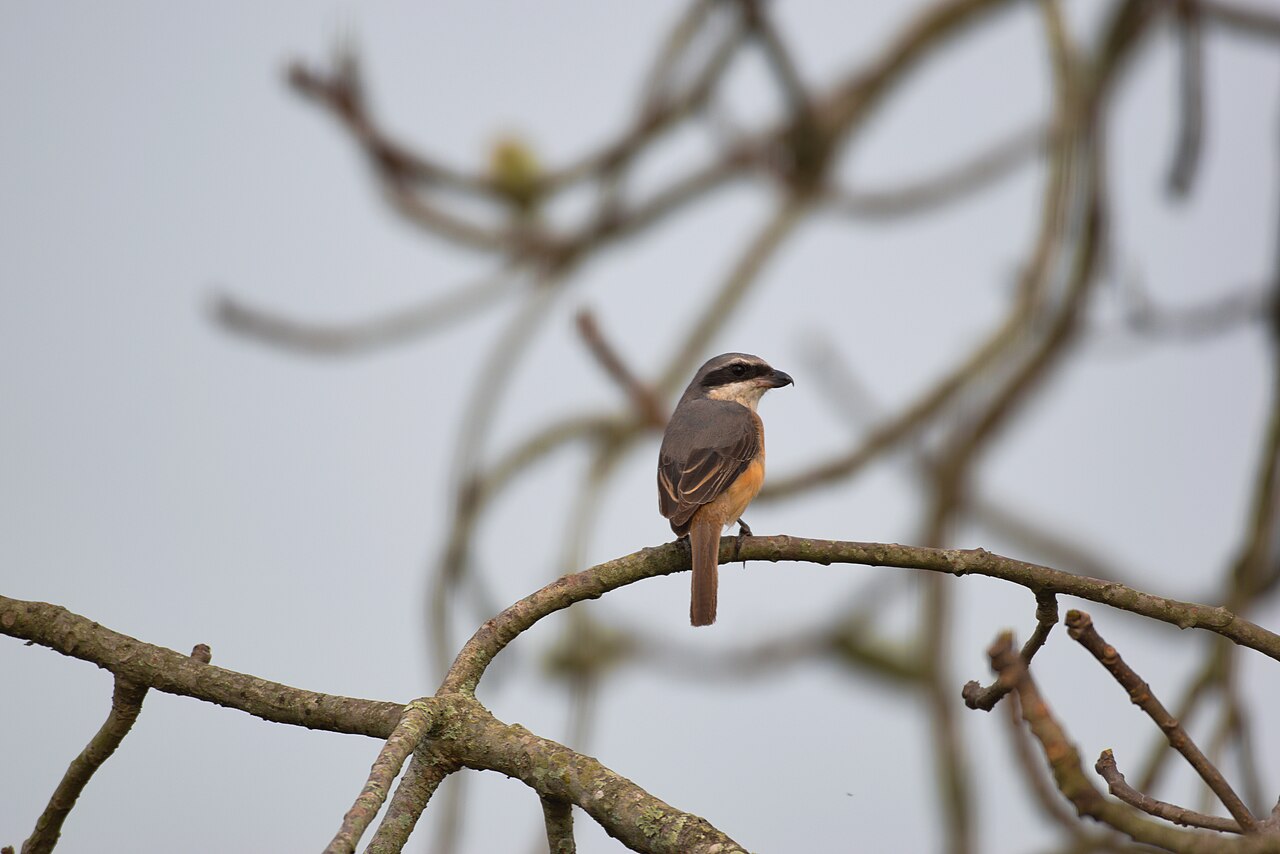
Kaziranga occupies the alluvial floodplain of the Brahmaputra in Assam, a mosaic of tall elephant grass, marshland, shallow pools and semi-evergreen forest. It holds the largest population of the greater one-horned rhinoceros anywhere.
History
Mary Curzon, wife of the Viceroy, is credited with prompting protection after visiting in 1904 and failing to see a single rhino. A reserved forest was declared in 1905, the area became a game sanctuary and then a national park in 1974. Rhino numbers have recovered from a few dozen to over two thousand, though poaching remains a continuing pressure.
Landscape and wildlife
The park is defined by the annual flood: the Brahmaputra inundates much of it each monsoon, renewing the grassland and forcing animals onto higher ground and across the highway to the Karbi Anglong hills. Besides rhino it holds significant populations of wild water buffalo, eastern swamp deer and Asian elephant, and one of the highest densities of tiger of any protected area. Birdlife is exceptional, and the park is an Important Bird Area.
Significance
Kaziranga is one of conservation's clearest recoveries, and the flood-driven grassland it protects is a habitat that has almost entirely disappeared elsewhere in the region. The annual inundation is not a threat to be engineered away but the process that sustains the system.
UNESCO recognition
Inscribed in 1985 under criteria (ix) and (x) for its ecological processes and the significance of its habitat for in-situ conservation of biodiversity.
More views
4 images