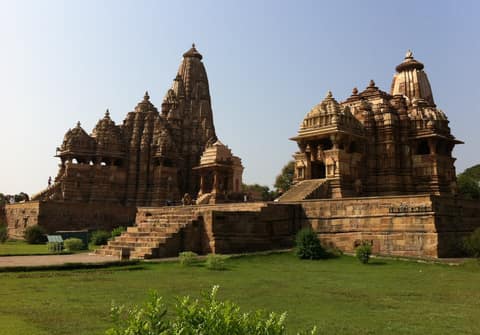
Carved sandstone spires and figure sculpture on a temple at Khajuraho.
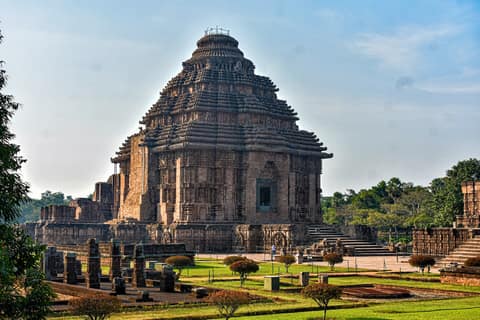
A carved stone chariot wheel on the plinth of the Sun Temple at Konark.
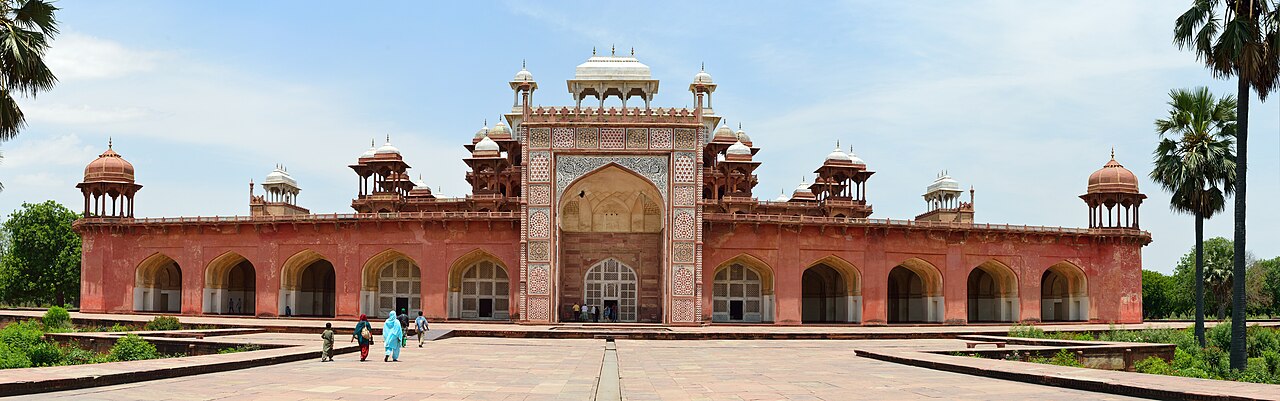
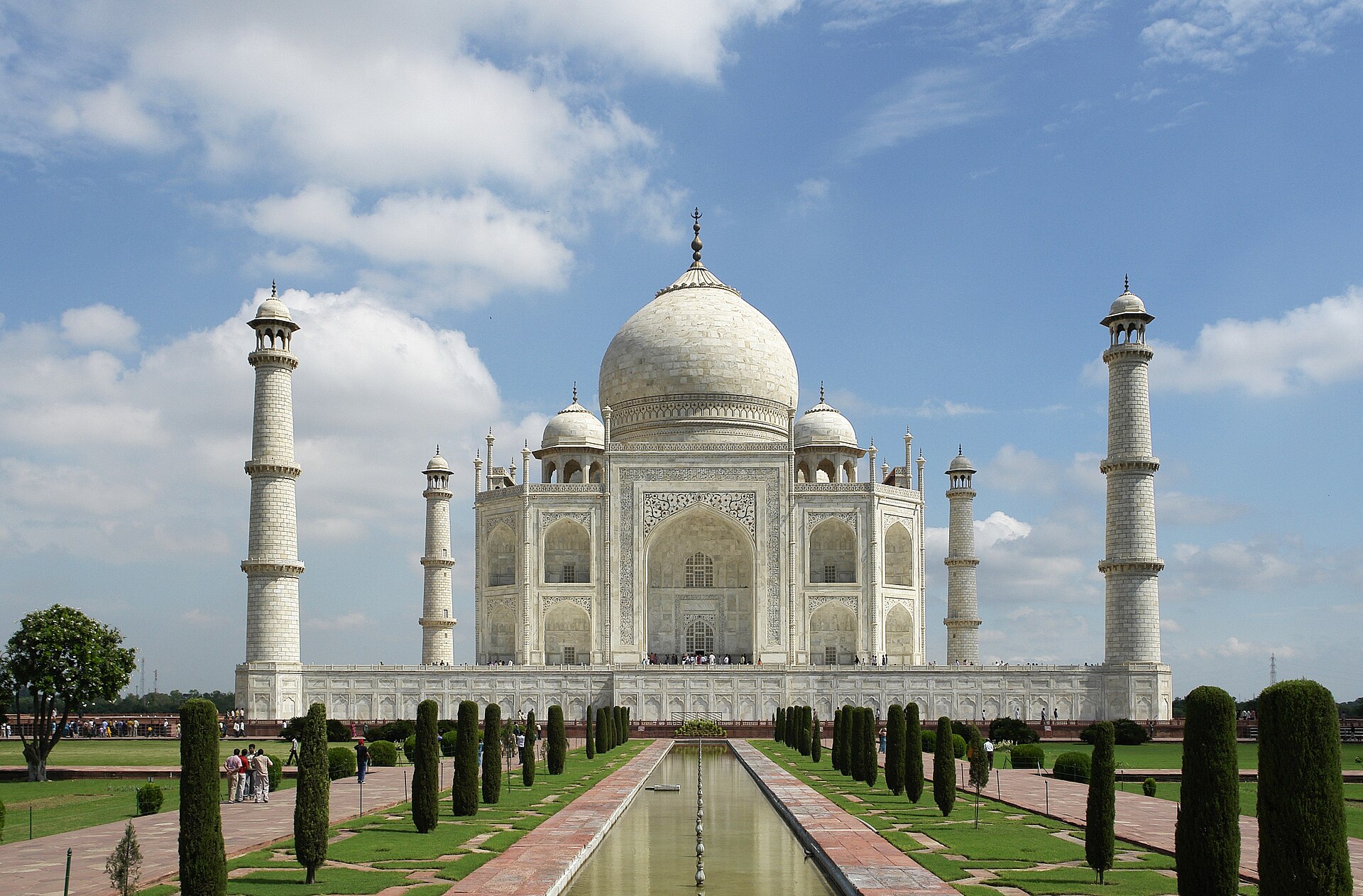
The Taj Mahal in white marble, reflected in its watercourse at dawn.
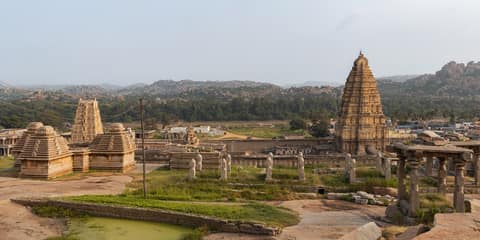
Temple ruins among granite boulders in the landscape at Hampi.
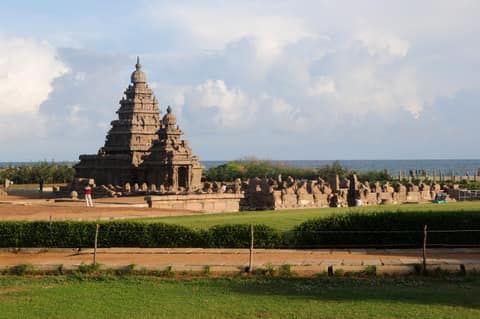
Rock-cut monuments on the shore at Mahabalipuram.

Chronology

Four and a half thousand years

A civilisation long enough that its own monuments become archaeology to the people who follow. What survives is uneven — cities without a readable script, mathematics without its monuments, temples without their painters' names.

2600 BCE1 CE1947

Each era below carries this same axis, with its own extent marked against it. The gaps are as much of the record as the entries are.
  1. c. 2600–1900 BCE

    Indus Valley

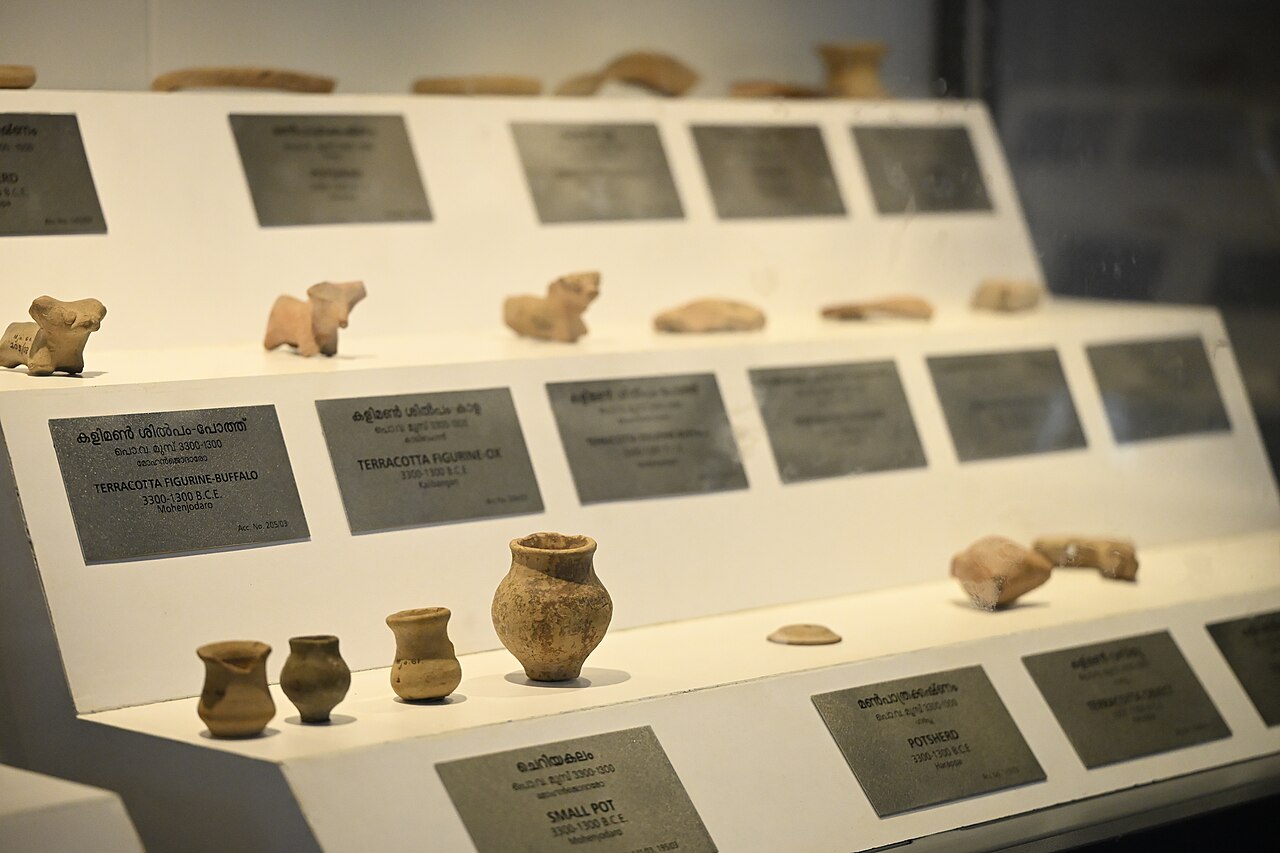
    Indus Valley: Grid-planned cities at Mohenjo-daro and Dholavira, with covered drains, standardised brick, and a script still unread.

    Grid-planned cities at Mohenjo-daro and Dholavira, with covered drains, standardised brick, and a script still unread.

    View details
  2. c. 1500–500 BCE

    Vedic Period

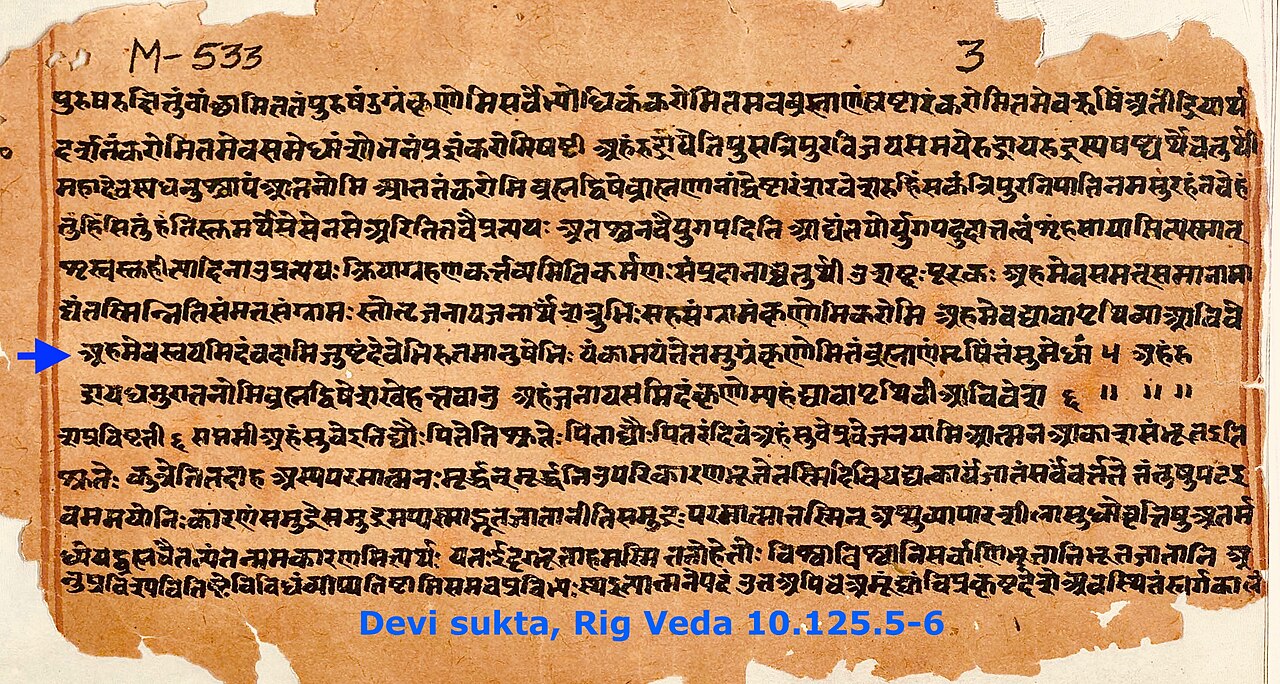
    Vedic Period: The Vedas composed and transmitted orally with a precision of recitation designed to survive without writing.

    The Vedas composed and transmitted orally with a precision of recitation designed to survive without writing.

    View details
  3. 322–185 BCE

    Mauryan Empire

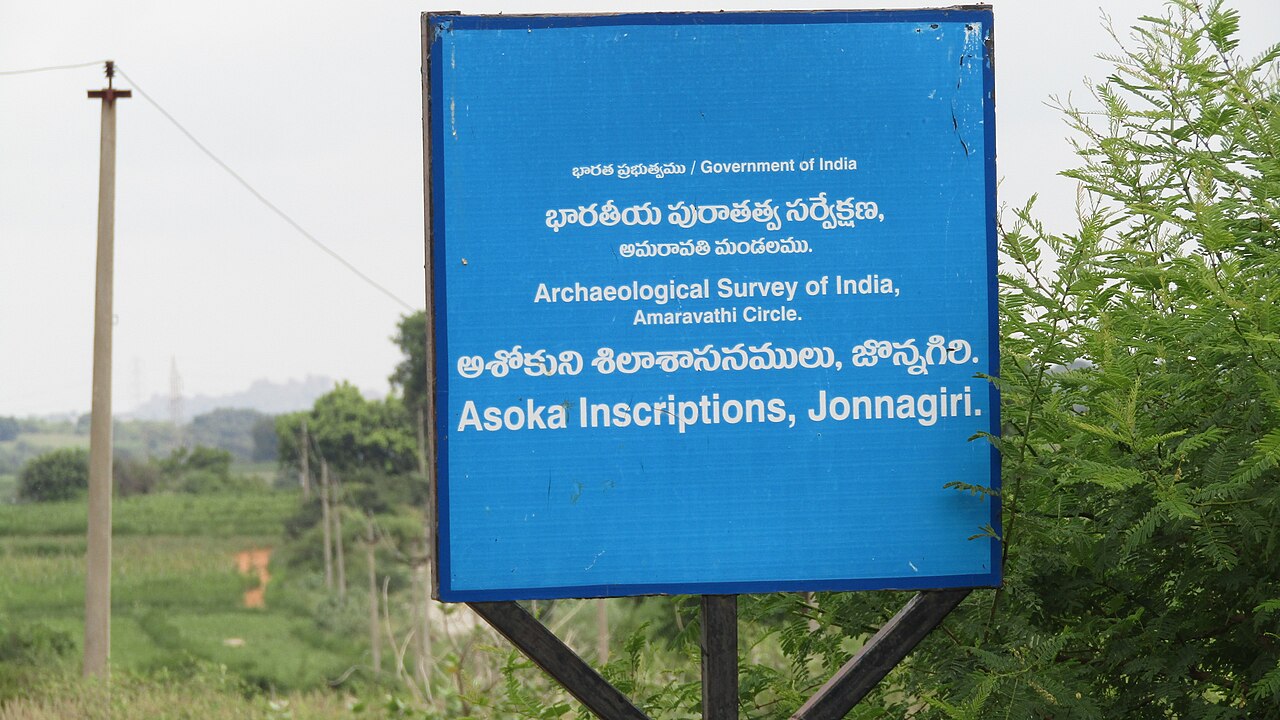
    Mauryan Empire: Ashoka's edicts cut into rock across the subcontinent — the earliest deciphered Indian writing, and the source of the national emblem.

    Ashoka's edicts cut into rock across the subcontinent — the earliest deciphered Indian writing, and the source of the national emblem.

    View details
  4. c. 320–550 CE

    Gupta Period

    Gupta Period: Decimal place-value notation and a symbol for zero; Aryabhata gives the earth a rotation and π four correct places.

    Decimal place-value notation and a symbol for zero; Aryabhata gives the earth a rotation and π four correct places.

    View details
  5. 9th–13th century

    Chola Dynasty

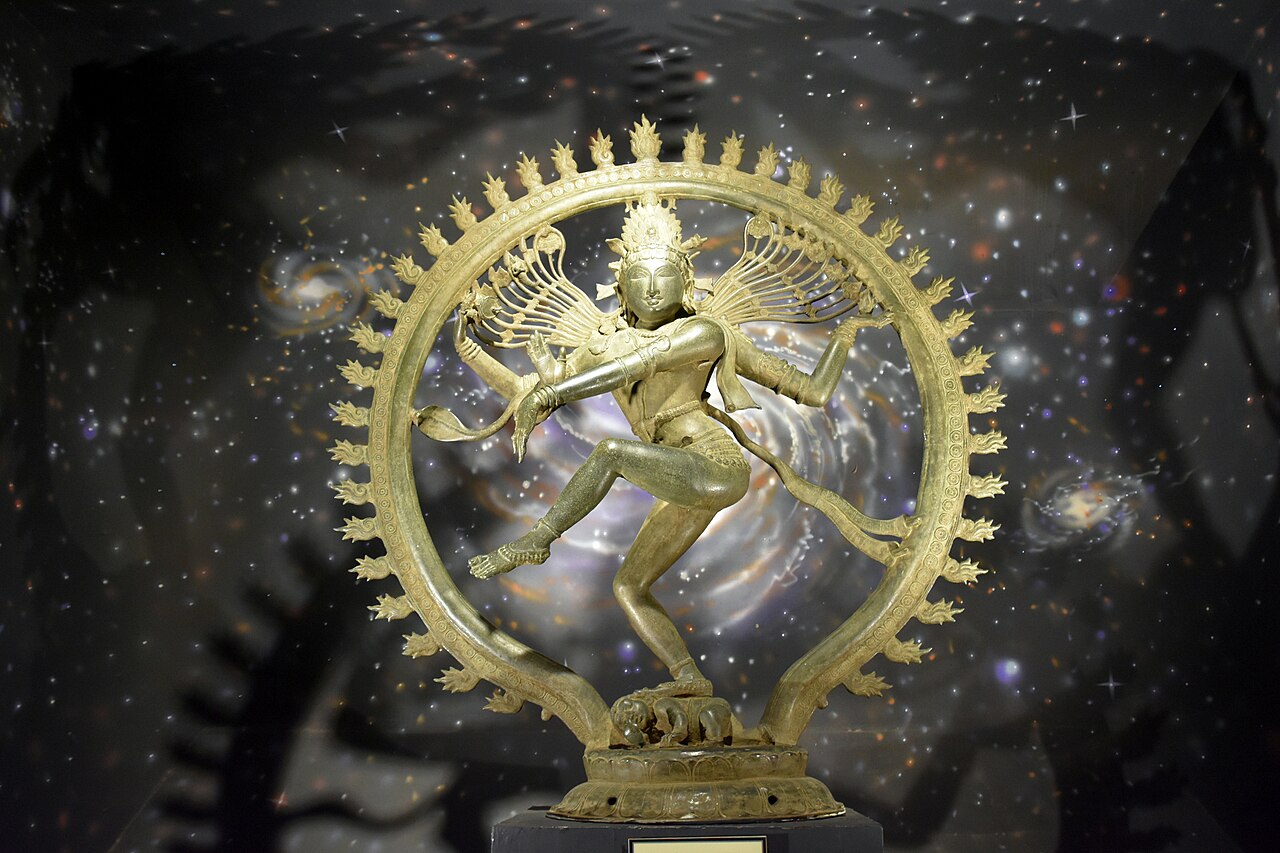
    Chola Dynasty: Bronze casting by lost-wax reaches its height, and temple building becomes an instrument of the state across South India and beyond.

    Bronze casting by lost-wax reaches its height, and temple building becomes an instrument of the state across South India and beyond.

    View details
  6. 1206–1526

    Delhi Sultanate

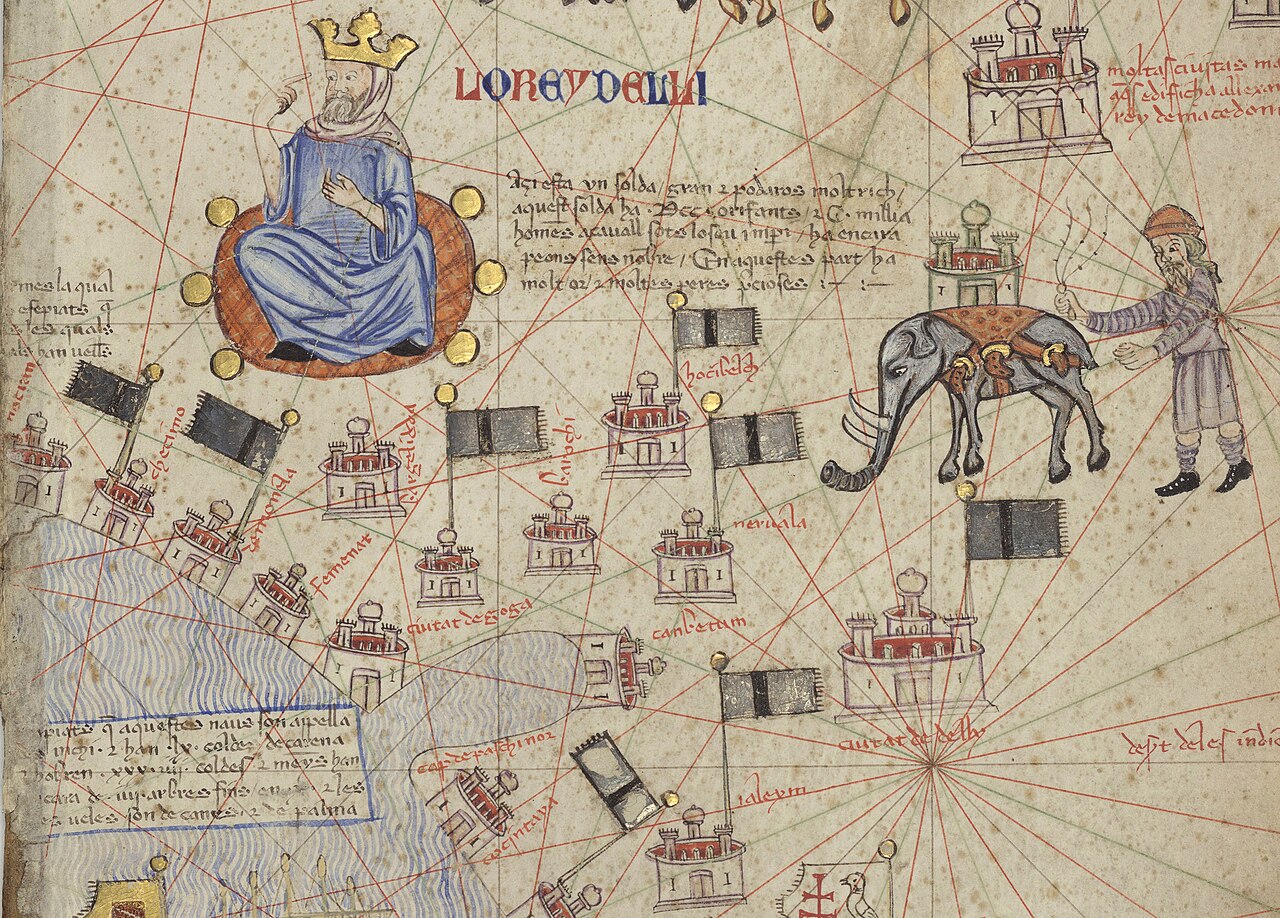
    Delhi Sultanate: Persian and Indian building traditions meet: the true arch and the dome arrive and are rebuilt in local stone.

    Persian and Indian building traditions meet: the true arch and the dome arrive and are rebuilt in local stone.

    View details
  7. 1526–1857

    Mughal Empire

    Mughal Empire: Charbagh gardens, pietra dura inlay, and a court style that produced the Taj Mahal and the Red Fort.

    Charbagh gardens, pietra dura inlay, and a court style that produced the Taj Mahal and the Red Fort.

    View details
  8. 1947

    Independence

    Independence: The wheel from Sarnath's lion capital is placed at the centre of the flag, tying the new republic to a third-century BCE pillar.

    The wheel from Sarnath's lion capital is placed at the centre of the flag, tying the new republic to a third-century BCE pillar.

    View details