




Gupta Period
- Period
- c. 320–550 CE
- Era
- 04 / 8
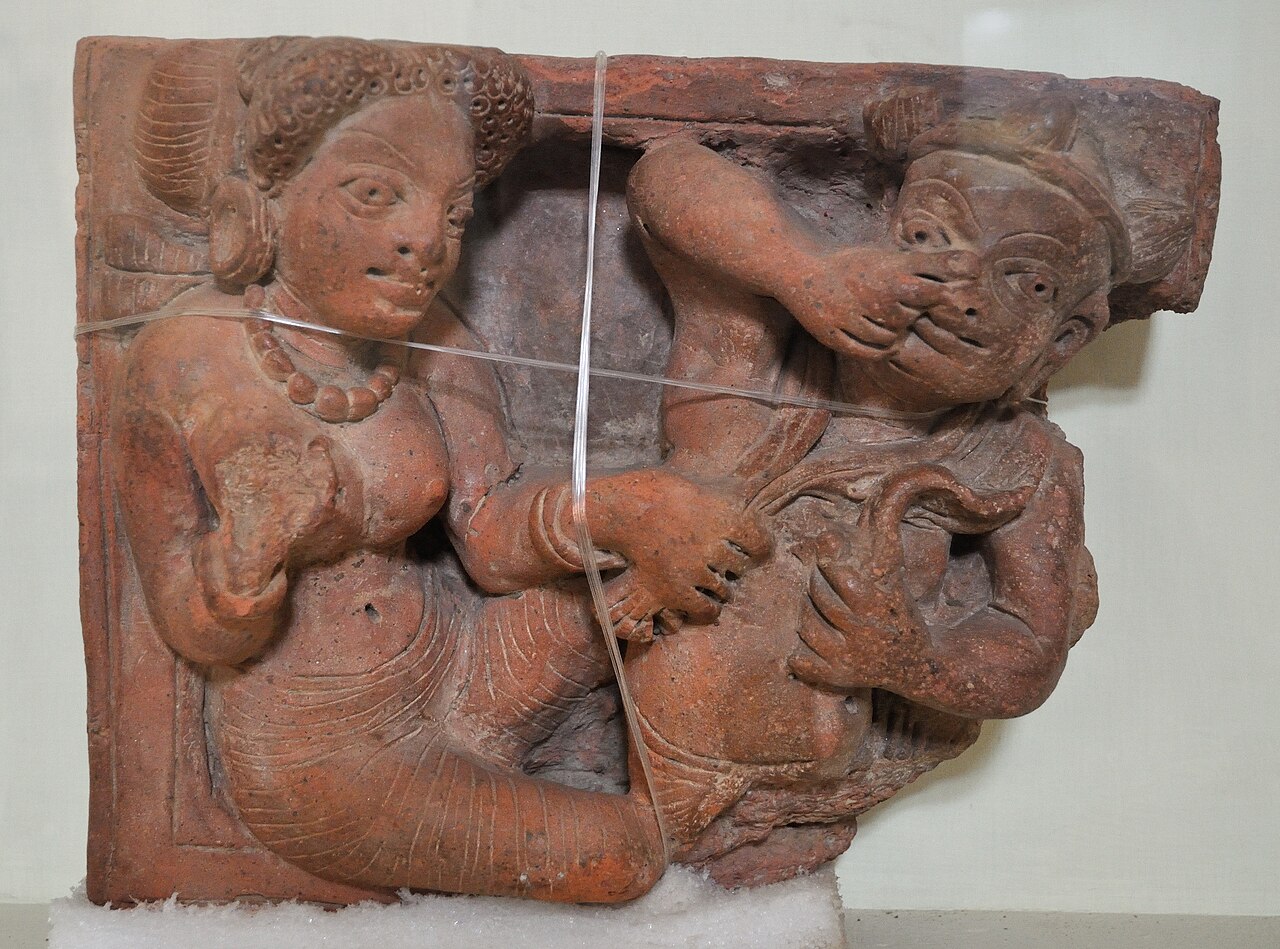
Decimal place-value notation and a symbol for zero; Aryabhata gives the earth a rotation and π four correct places.
About
A period whose most consequential export was a notation. The decimal place-value system, with a symbol for zero holding an empty position, was in use in India by this era; carried west through Arabic scholarship, it became the number system now used everywhere.
Context
The Gupta dynasty ruled much of northern India from around 320 to 550 CE. Aryabhata, born in 476, completed the Aryabhatiya in 499 at the age of twenty-three: it gives π to four correct decimal places, states that the apparent movement of the stars is caused by the earth's rotation, and explains eclipses as shadows rather than omens. Later mathematicians in the same tradition, notably Brahmagupta in the seventh century, set out rules for arithmetic with zero and negative numbers.
What survives
Mathematical and astronomical texts, chief among them the Aryabhatiya; the Bakhshali manuscript, an arithmetic text whose dating remains debated but which contains a placeholder dot; the iron pillar now at the Qutb complex in Delhi, notable for its corrosion resistance; and the later painted caves at Ajanta, which fall within this period. The great university at Nalanda was founded in the fifth century.
Significance
Zero as a positional placeholder is not a small notational convenience — it is what makes written arithmetic, and eventually algebra and computation, tractable. This period is the reason the digits on every keyboard in the world are what they are.
Material from this period
3 images