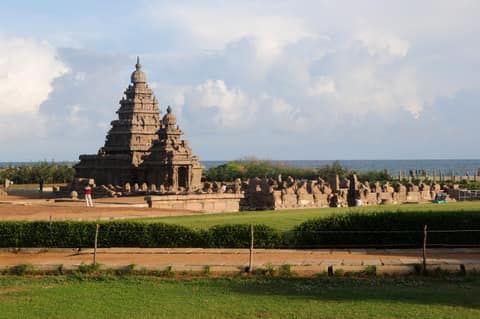
Chola Dynasty
- Period
- 9th–13th century
- Era
- 05 / 8
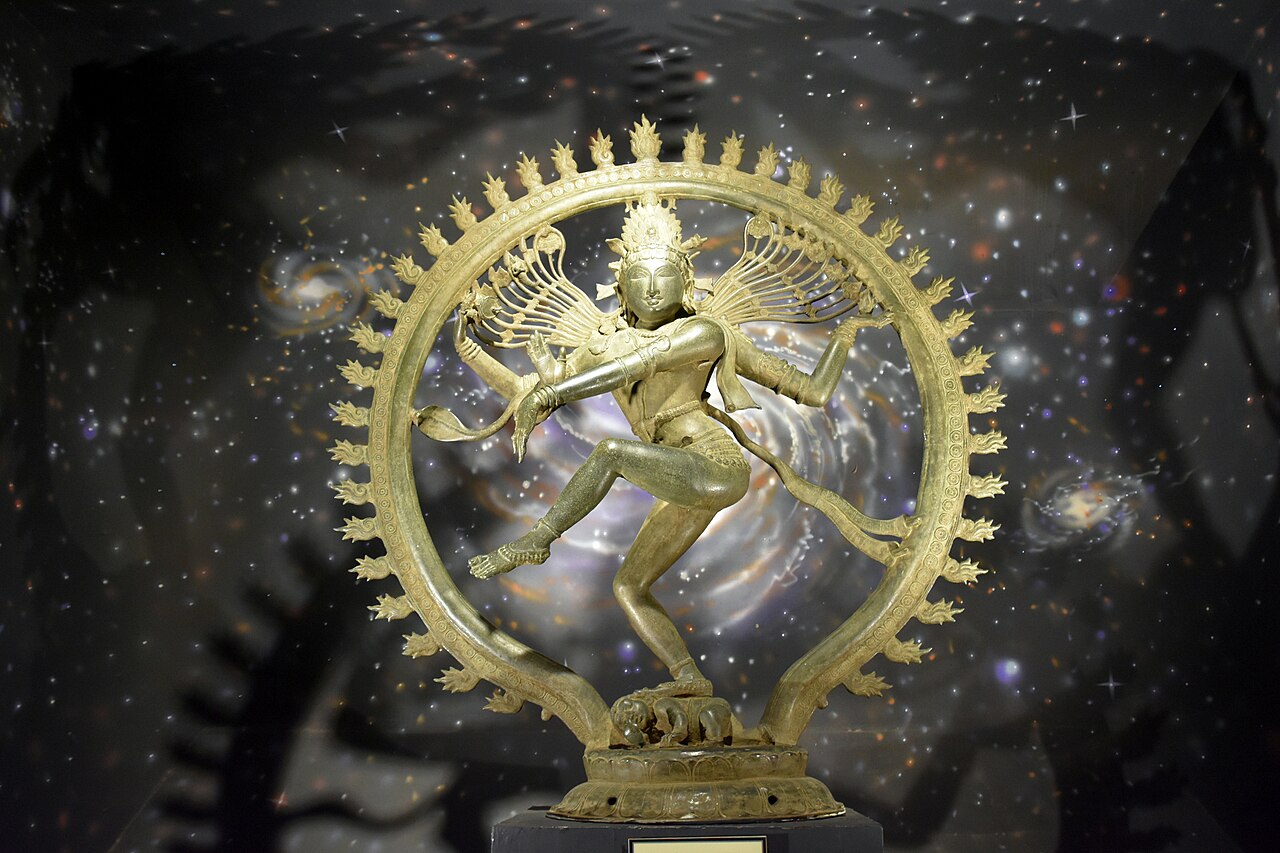
Bronze casting by lost-wax reaches its height, and temple building becomes an instrument of the state across South India and beyond.
About
A southern empire that used temple building as state policy and produced, in bronze, some of the most technically assured sculpture made anywhere. Chola power reached across the Bay of Bengal, and Chola temples functioned as landholders, employers and administrative centres as much as places of worship.
Context
The imperial Cholas rose in the ninth century and dominated the south into the thirteenth. Rajaraja I completed the Brihadisvara temple at Thanjavur in 1010; his son Rajendra I built a new capital at Gangaikonda Cholapuram and campaigned as far as the Ganges and into South-East Asia. Airavatesvara at Darasuram followed in the twelfth century. The three together are inscribed by UNESCO as the Great Living Chola Temples.
What survives
The temples themselves, still in use, with their vimanas, inscriptions and endowment records cut into the stone — an unusually complete administrative archive carved into the buildings it funded. Alongside them, solid bronzes cast by the lost-wax method, of which the Nataraja, Shiva dancing within a ring of flame, is the best known. The bronzes were made to be carried in procession, so they are finished on all sides.
Significance
Chola bronzes are a high point of metal casting in the pre-modern world, and Chola temple inscriptions are one of the richest sources for how a medieval Indian state actually ran — land grants, wages, irrigation, endowments, recorded in stone because stone outlasts palm leaf.
Material from this period
3 images