


Delhi Sultanate
- Period
- 1206–1526
- Era
- 06 / 8
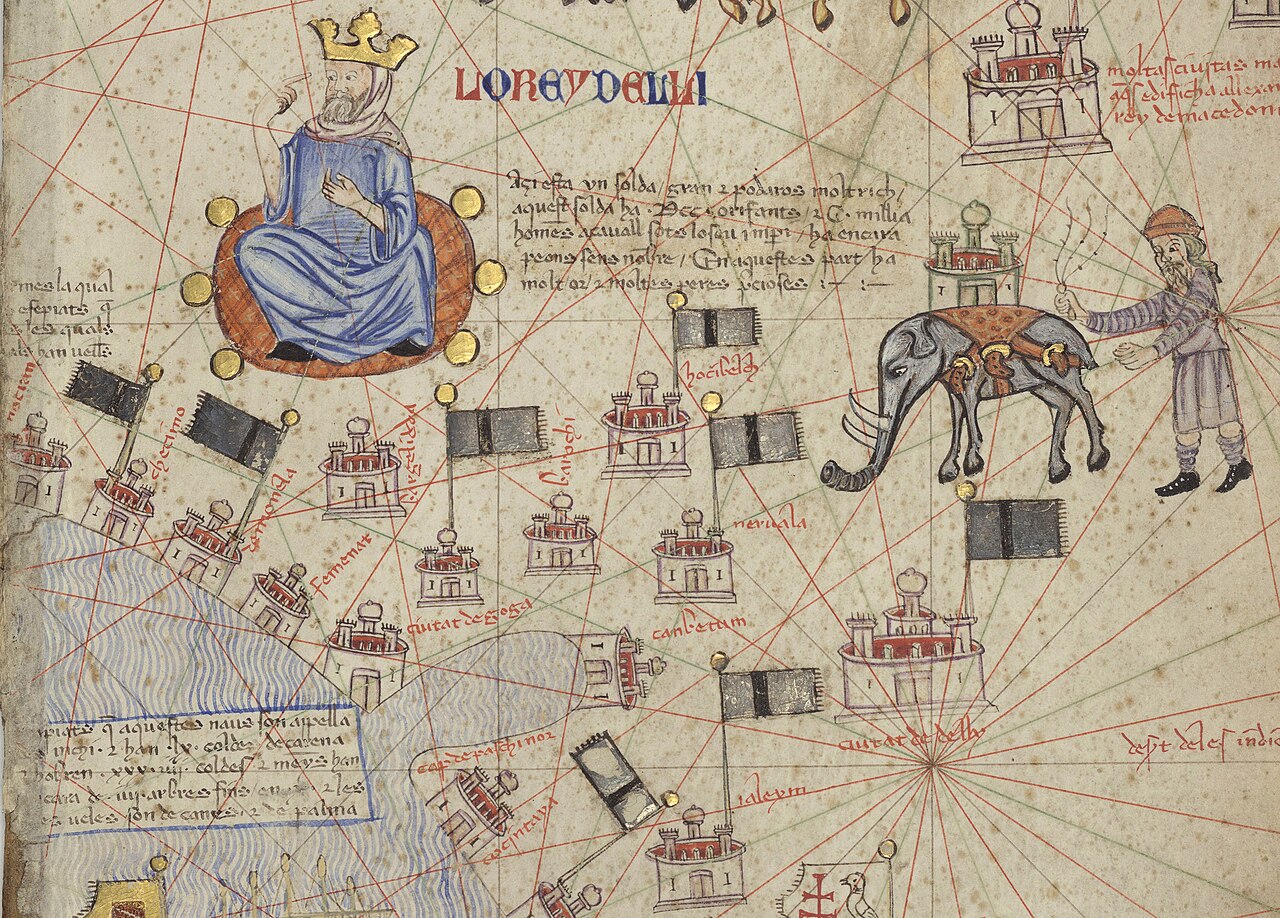
Persian and Indian building traditions meet: the true arch and the dome arrive and are rebuilt in local stone.
About
Three centuries in which a new architectural vocabulary entered northern India and was rebuilt by local masons in local stone. The true arch and the dome — structural forms Indian building had largely managed without — arrived with the Sultanate and were absorbed rather than imposed.
Context
Five dynasties held Delhi in succession between 1206 and 1526: Mamluk, Khalji, Tughlaq, Sayyid and Lodi. Construction of the Qutb Minar began under Qutb al-Din Aibak around 1199 and continued under his successors. The Alai Darwaza, added by Alauddin Khalji in 1311, is among the earliest surviving true-arch and true-dome structures in India. The Sultanate ended in 1526 at the first battle of Panipat.
What survives
The Qutb complex in Delhi, including the minar, the Quwwat-ul-Islam mosque and the Alai Darwaza; the fortified cities of Tughlaqabad and Firozabad; and a large body of tomb architecture. Much early work was assembled from the masonry of demolished buildings, which is visible in the reused carved columns of the Quwwat-ul-Islam and is part of the honest record of the period.
Significance
This is where the Indo-Islamic architectural synthesis begins. What followed under the Mughals is unimaginable without these three centuries of local craftsmen learning a new structural language and applying their own ornament to it.
Material from this period
3 images