Living Tradition
The eight classical forms
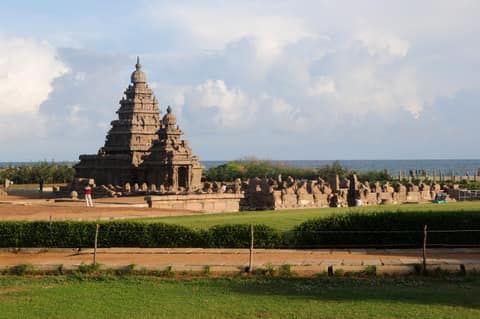
Stone records what a culture built. Dance records how it moved — and unlike stone, it survives only by being taught. These eight are recognised as classical by the Sangeet Natak Akademi; each carries a regional grammar of gesture, rhythm and stance.
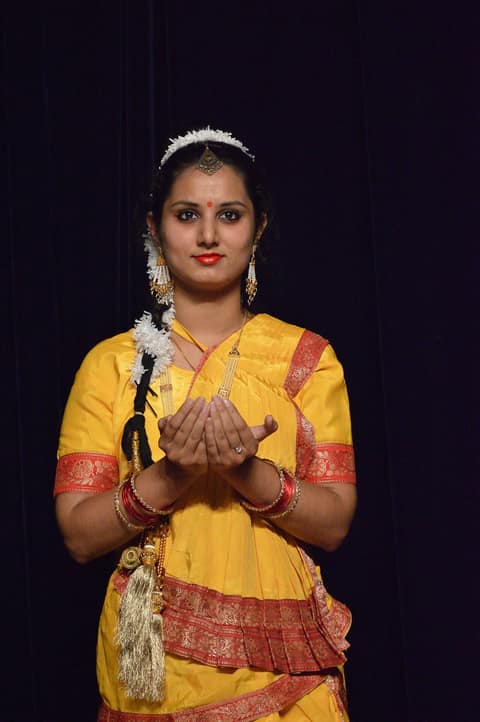
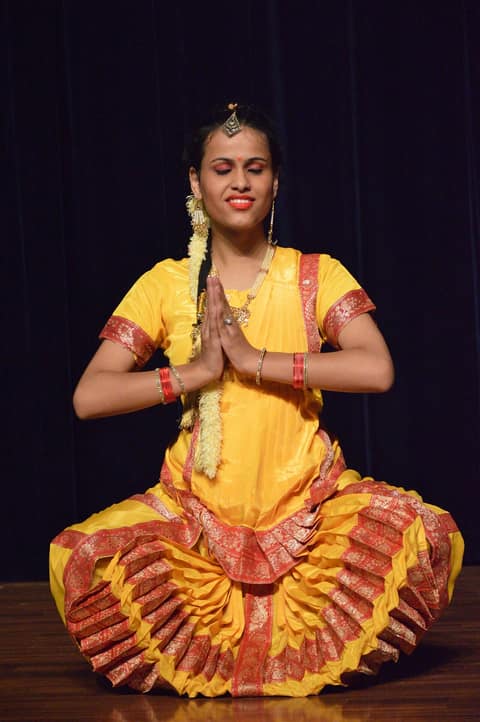
Bharatanatyam
Tamil Nadu
Temple dance of the Kaveri delta, rebuilt for the stage in the twentieth century. Geometry held in a half-seated stance.
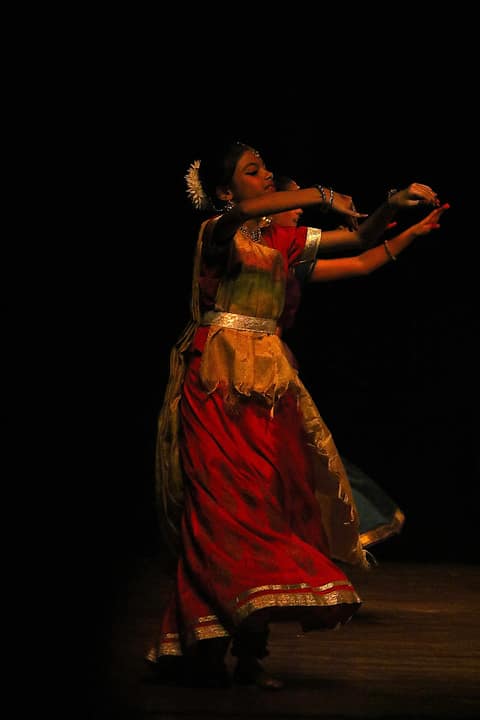
Kathak
Uttar Pradesh
Storytellers' form carried from temple courtyard into Mughal court, where it took its spin and its footwork.
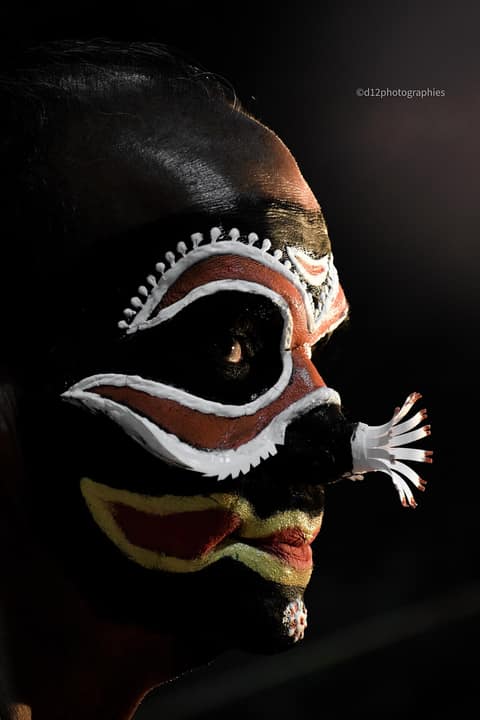
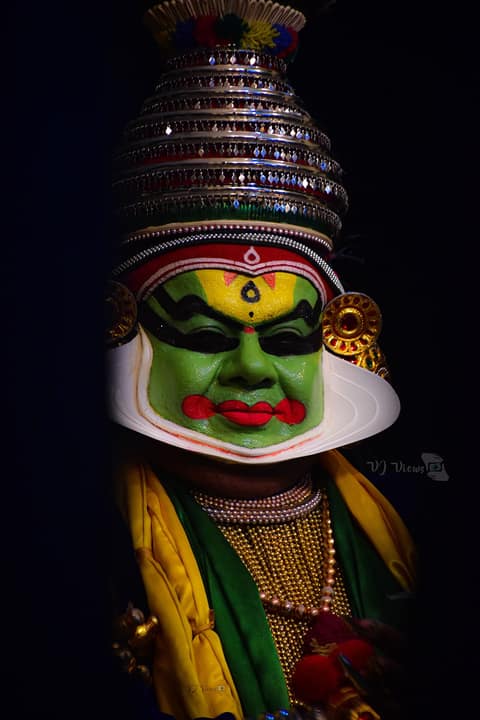
Kathakali
Kerala
Night-long drama in painted mask-like makeup. Meaning is carried in the hands and, above all, the eyes.
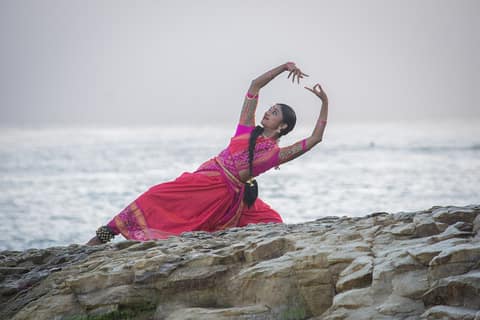
Kuchipudi
Andhra Pradesh
Village dance-drama tradition, distinguished by passages danced on the rim of a brass plate.
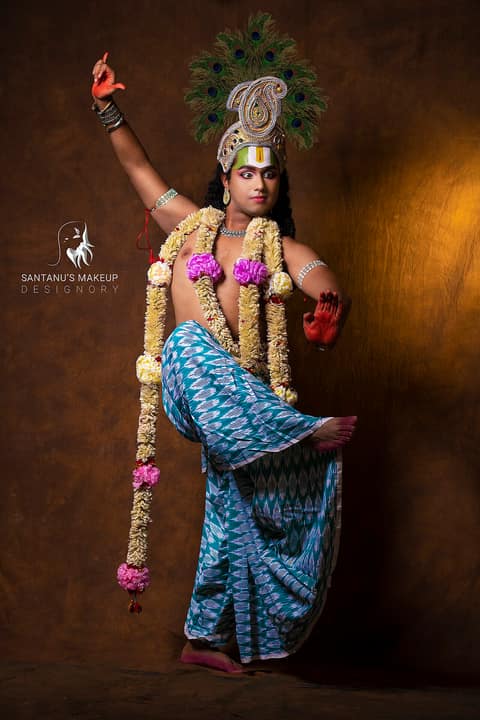
Odissi
Odisha
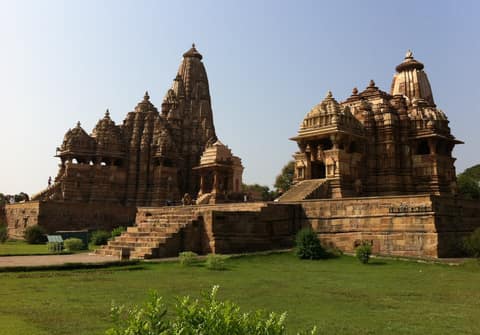
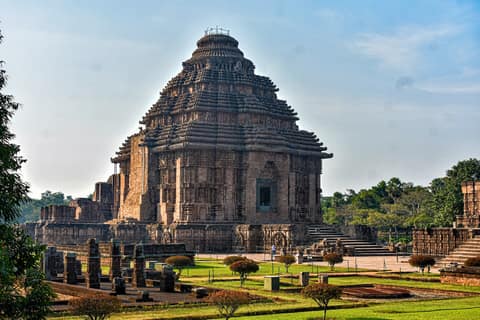
Reconstructed from temple sculpture — the tribhanga, a three-bend stance, is lifted straight off the stone.
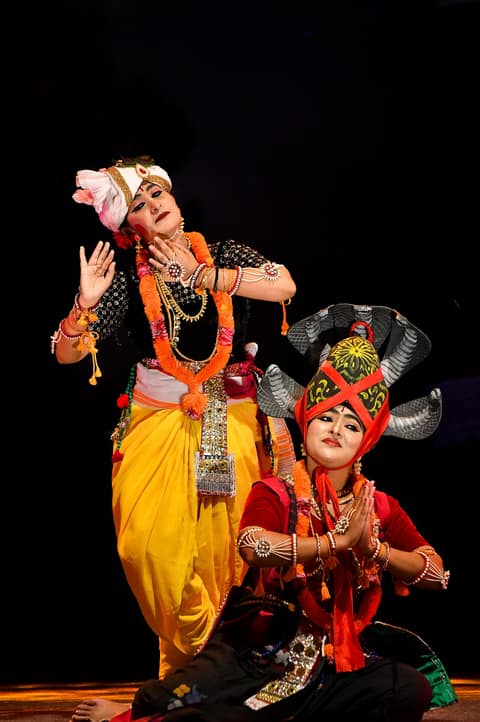
Manipuri
Manipur
Devotional and continuous, avoiding sharp accent; the drum and the dancer are often the same person.
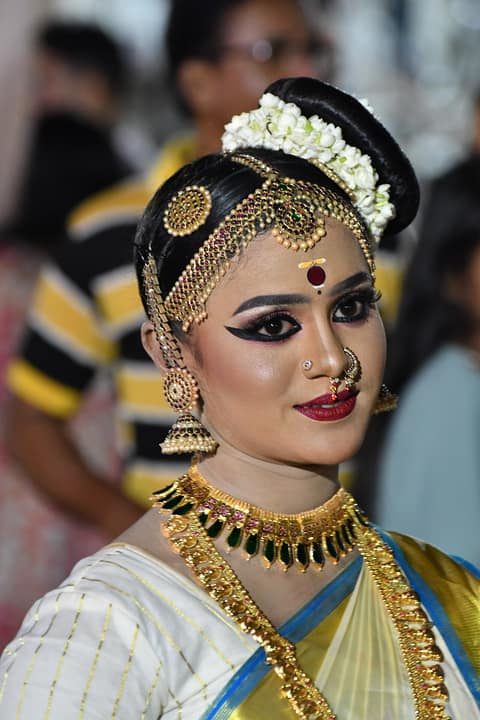
Mohiniyattam
Kerala
A solo form of swaying, circular movement, named for the enchantress Mohini.
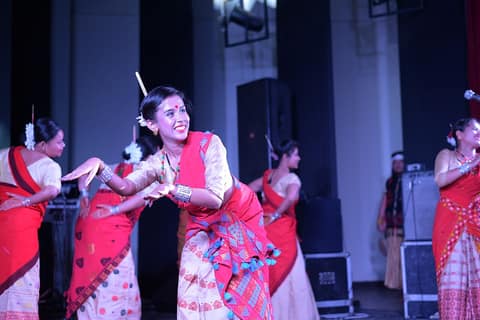
Sattriya
Assam
Born in the monasteries founded by Srimanta Sankardeva; recognised as classical only in 2000.
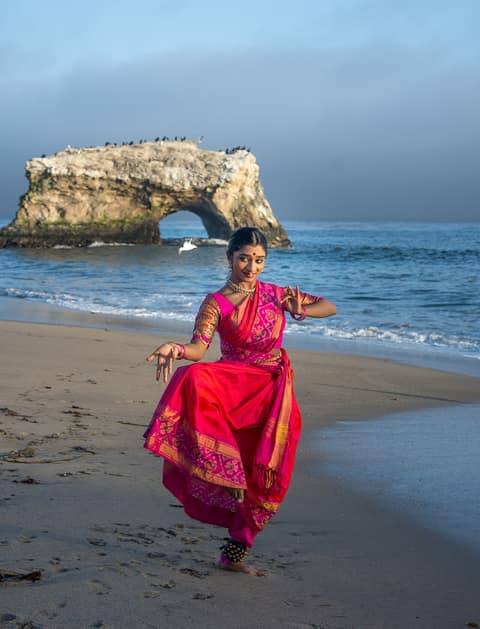
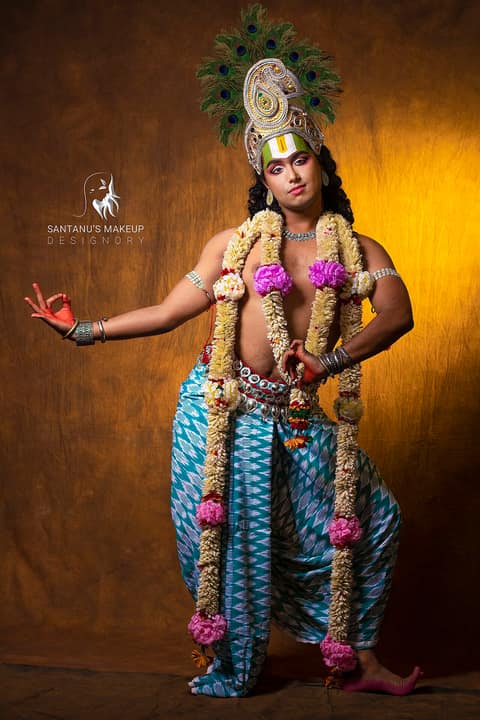
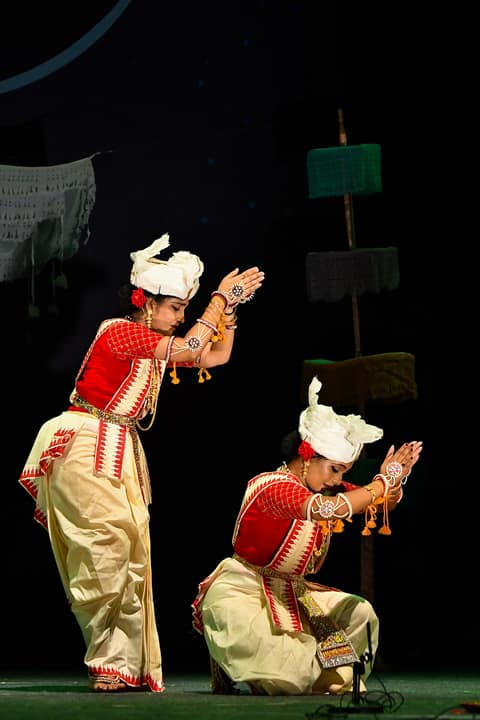
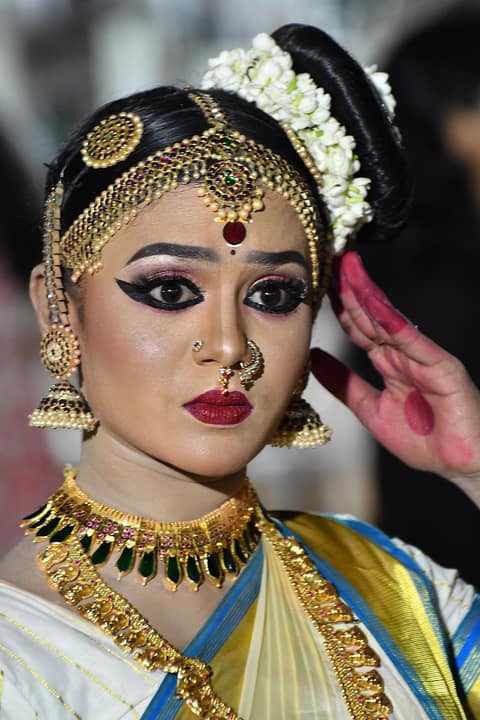
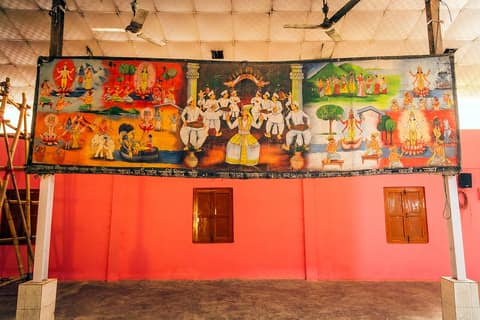
Sattriya was the most recent addition, recognised in 2000 after four centuries inside the monasteries of Assam — a reminder that the list is a record of what has been documented, not a closed canon.
Craft
The other tradition, worked in thread
Chikankari in Lucknow, phulkari across Punjab, kantha in Bengal, zardozi in the old Mughal workshops — embroidery carries the same regional grammar as the dance forms above, and survives the same way: by being taught, stitch by stitch, to someone else.
Hover the cloth to move the light across the stitching.