Odissi
Temple tradition; reconstructed from the 1950s
- State
- Odisha
- Of eight
- 05 / 8
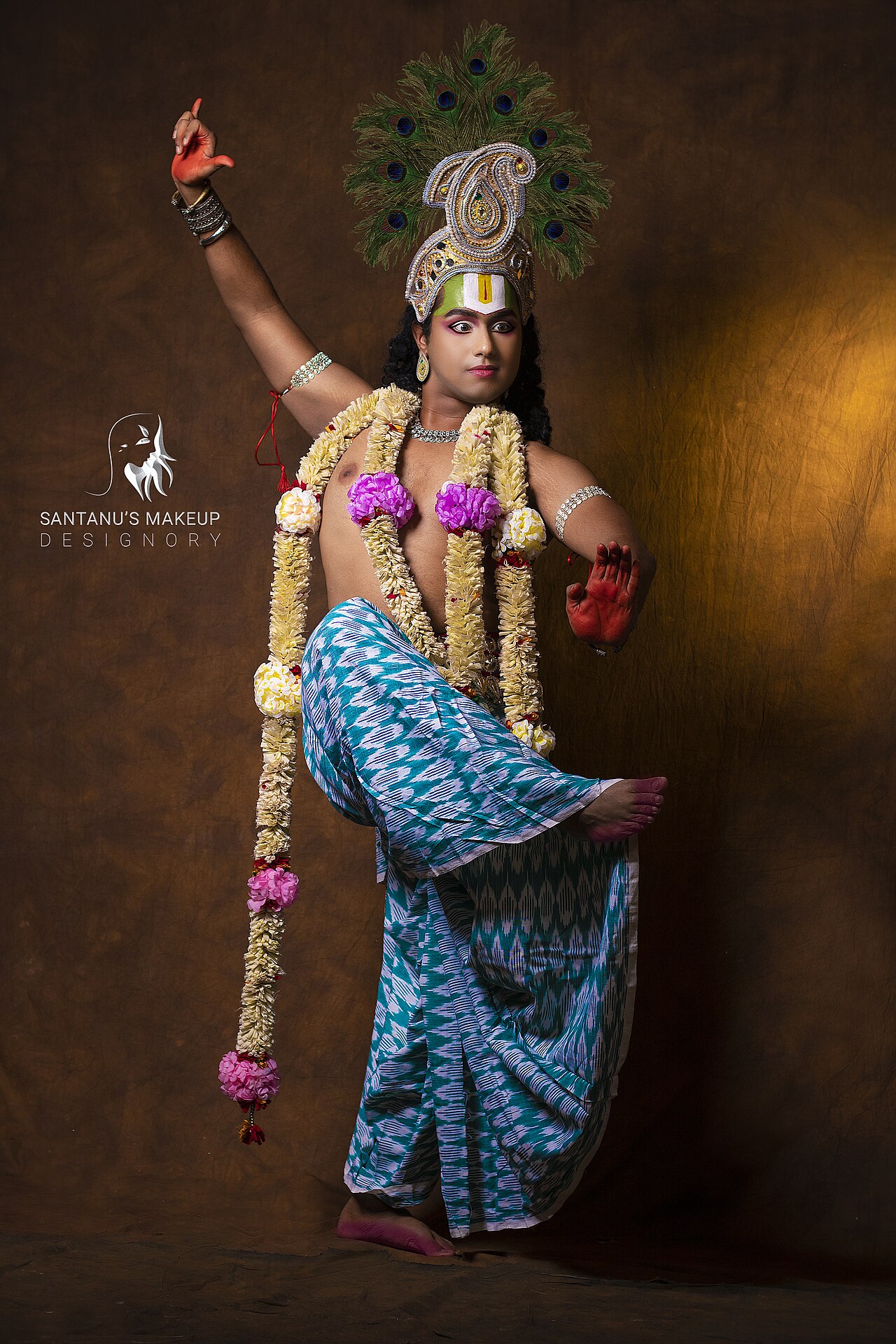
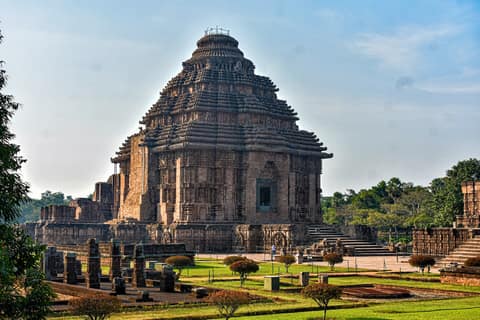
Reconstructed from temple sculpture — the tribhanga, a three-bend stance, is lifted straight off the stone.
About
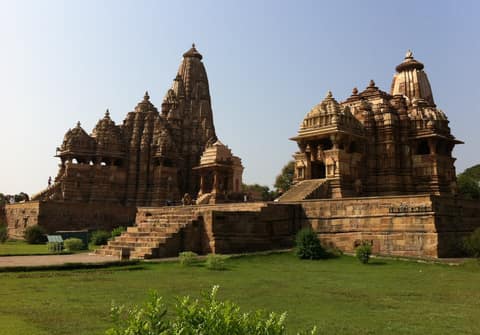
A lyrical form whose defining shape is the tribhanga, a stance bending the body at neck, torso and knee so that the line runs as an S rather than a column. The resemblance to the figures carved on Odisha's temples is not incidental: the sculpture was one of the sources used to rebuild the dance.
History
Odissi descends from two temple lineages: the maharis, women dedicated to the Jagannath temple at Puri, and the gotipuas, boys who danced in female costume outside the temple. Both declined sharply under colonial rule, and by the mid-twentieth century little continuous practice remained. From the 1950s a group of teachers — Kelucharan Mohapatra, Pankaj Charan Das and Deba Prasad Das foremost among them — reconstructed a performing form from surviving gotipua practice, temple sculpture and textual sources including the Natya Shastra and the Abhinaya Chandrika. The Sangeet Natak Akademi recognised it as classical in 1958.
Technique
Two basic positions govern the form: chauka, a square, weight-even stance associated with Jagannath, and tribhanga, the three-bend line. Movement emphasises independent torso deflection, which gives the form its characteristic softness against a strict rhythmic base.
Repertoire
A recital moves through mangalacharan, an invocation with an offering of flowers; batu, pure movement in the chauka position; pallavi, a melodic line elaborated in dance; abhinaya, most often set to the Gita Govinda of Jayadeva; and moksha, a closing item taken as release.
Music and text
Odissi music, with mardala drum, violin, flute, sitar and vocal. Sung texts are principally in Sanskrit and Odia; the twelfth-century Gita Govinda, composed in Odisha, supplies much of the expressive repertoire.
Significance
Odissi is the clearest case of a dance rebuilt from evidence. Where transmission failed, sculpture, text and a surviving boys' tradition were used to reconstitute it — which makes it both a living art and a piece of practical archaeology.
In performance
3 images