
Victorian Gothic and Art Deco Ensembles of Mumbai
Mumbai, Maharashtra
- Inscribed
- 2018
- Period
- 19th–20th century
- Property
- Cultural
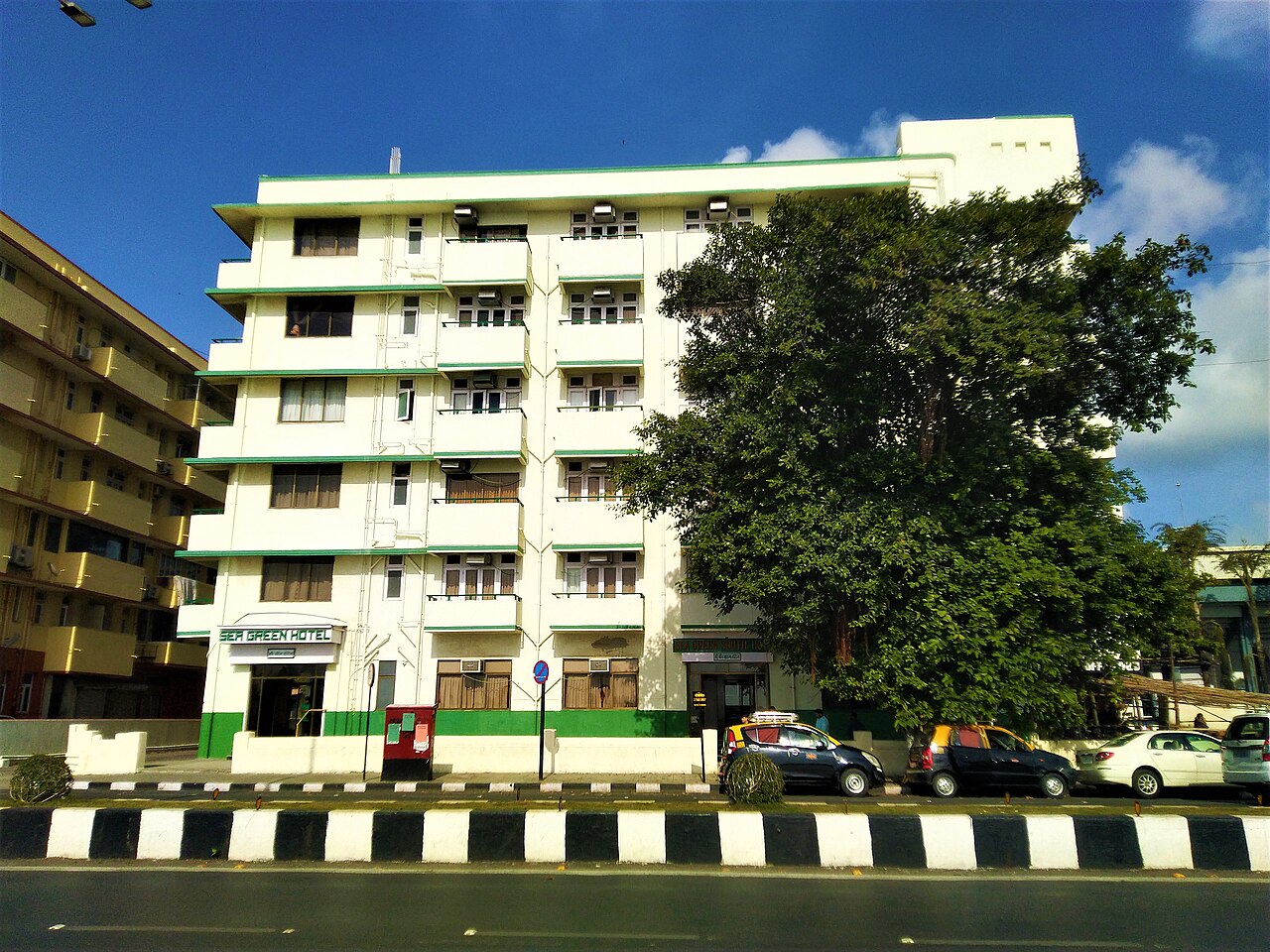
The property covers two adjacent building groups in south Mumbai: a nineteenth-century Victorian Gothic ensemble of public buildings, and a twentieth-century Art Deco ensemble along the reclaimed seafront, separated by the Oval Maidan.
History
The Victorian buildings went up from the 1860s as Bombay expanded on cotton-boom money, following the demolition of the fort walls. The Art Deco buildings followed in the 1930s on land reclaimed at Backbay, built largely for and by Indian owners. The result is two complete architectural statements from consecutive eras, in direct sight of each other.
Architecture
The Victorian group — the High Court, the University with its Rajabai Clock Tower, the Public Works Department buildings — is Gothic Revival adapted to the climate, with verandas, balconies and shaded openings, and ornament drawn from Indian sources. The Art Deco group along Marine Drive and around the Oval comprises apartment blocks and cinemas in streamlined forms with curved corners, ziggurat motifs, coloured glass and Indian decorative detail, a local variant sometimes called Deco-Saracenic.
Significance
Mumbai holds one of the largest concentrations of Art Deco buildings in the world, second only to Miami by most counts. The property records how imported styles were localised twice over, seventy years apart, by a city that was in both periods among the wealthiest in Asia.
UNESCO recognition
Inscribed in 2018 under criteria (ii) and (iv) for the exchange of architectural influences and as outstanding examples of both styles adapted to local conditions.
More views
4 images