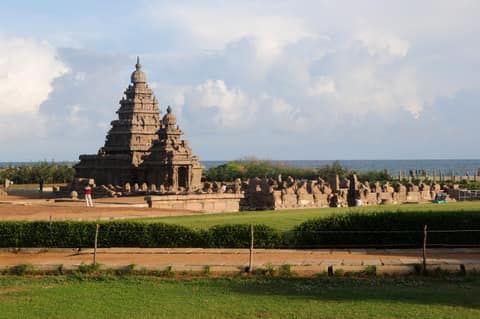
Kakatiya Rudreshwara (Ramappa) Temple
Palampet, Telangana
- Inscribed
- 2021
- Period
- 13th century
- Property
- Cultural
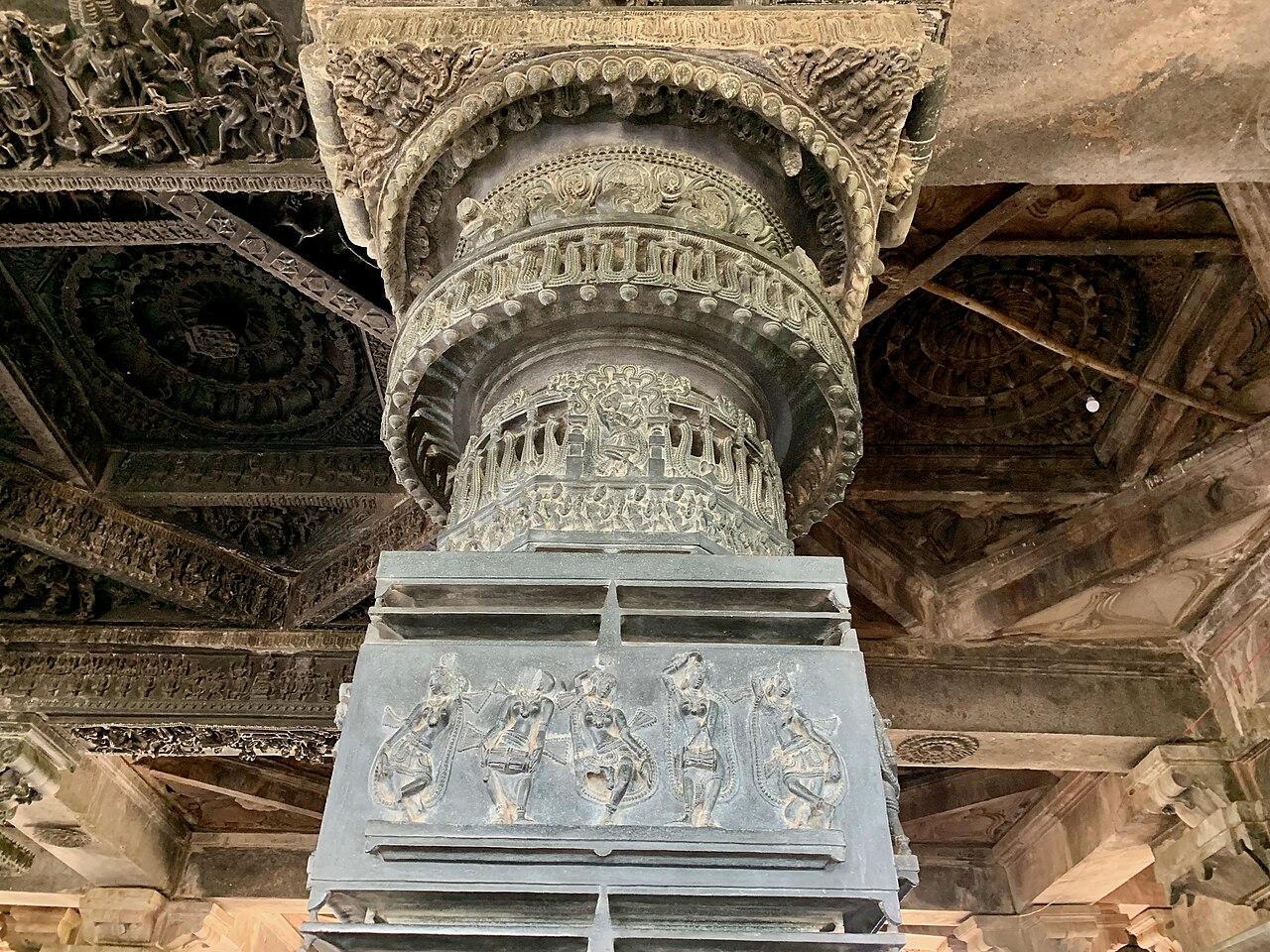
The Rudreshwara temple at Palampet is a Shaiva temple of the Kakatiya period, standing on a star-shaped platform with a pillared hall and richly carved bracket figures. It is universally called the Ramappa temple after the sculptor said to have worked on it for decades.
History
An inscription at the site records construction beginning in 1213 under Recharla Rudra, a general of the Kakatiya ruler Ganapati Deva. The temple survived later earthquakes that damaged surrounding structures, which is generally attributed to its foundation technique. Marco Polo is traditionally said to have called it the brightest star in the galaxy of temples, though the attribution is not securely documented.
Architecture
The temple sits on a sandbox foundation — a pit filled with a mix of sand, lime, jaggery and other materials — which absorbs seismic movement rather than resisting it. The superstructure uses bricks so light they float in water, reducing the load on the roof. The base and pillars are in dark basalt polished to a high finish, with slender bracket figures of dancers and musicians cut almost in the round, and the outer walls carry friezes of processions and narrative scenes.
Significance
The temple is a demonstration of Kakatiya engineering as much as sculpture: the floating foundation and lightweight roofing bricks are solutions to seismic and structural problems that have kept the building standing for eight centuries. The bracket figures are also a primary source for the dance and dress of the period.
UNESCO recognition
Inscribed in 2021 under criterion (i) as a masterpiece of human creative genius.
More views
4 images