




Sundarbans National Park
South 24 Parganas, West Bengal
- Inscribed
- 1987
- Period
- National park from 1984
- Property
- Natural
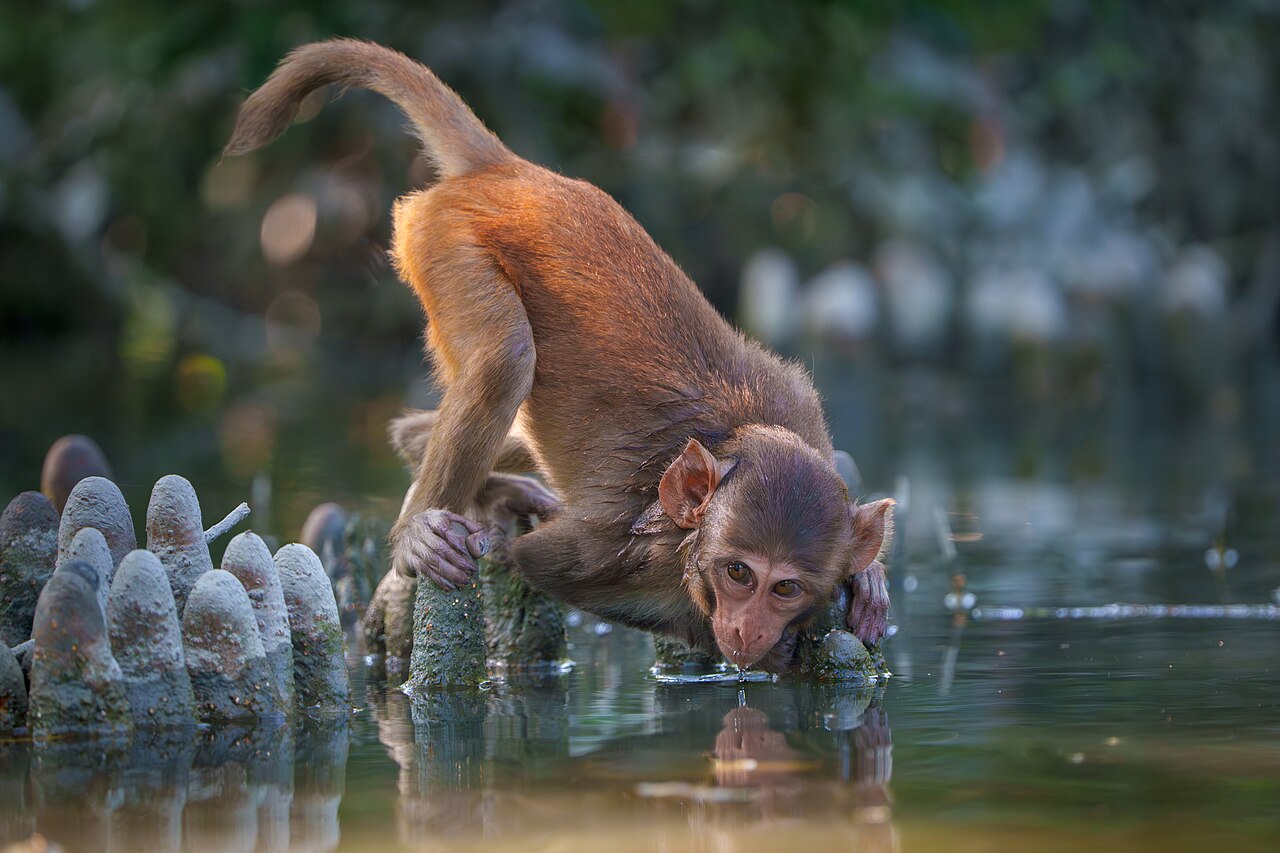
The Sundarbans National Park covers the Indian part of the mangrove delta formed where the Ganges, Brahmaputra and Meghna meet the Bay of Bengal. The wider Sundarbans continues into Bangladesh, where it is separately inscribed.
History
The forest has been worked for timber, honey and fish for centuries. The core area was declared a tiger reserve in 1973, a national park in 1984, and inscribed in 1987. It is also a biosphere reserve and a Ramsar site.
Landscape and wildlife
The delta is a shifting network of islands, mudflats and tidal channels, flooded twice daily and reshaped continuously by silt and storm. Vegetation is dominated by salt-tolerant mangrove species adapted to unstable, oxygen-poor mud. The Bengal tigers here are noted for swimming between islands and for a pattern of human conflict unusual elsewhere. Estuarine crocodile, Gangetic and Irrawaddy dolphins, water monitor and a very large number of bird species are present.
Significance
The Sundarbans is the largest contiguous mangrove system in the world and a working example of an ecosystem defined by disturbance. It is also a first line of defence against cyclones for a densely populated delta, and among the properties most exposed to sea-level rise.
UNESCO recognition
Inscribed in 1987 under criteria (ix) and (x) for its ecological and biological processes and its biodiversity significance.
More views
4 images