
Western Ghats
Kerala, Tamil Nadu, Karnataka, Goa, Maharashtra and Gujarat
- Inscribed
- 2012
- Period
- Older than the Himalaya
- Property
- Natural
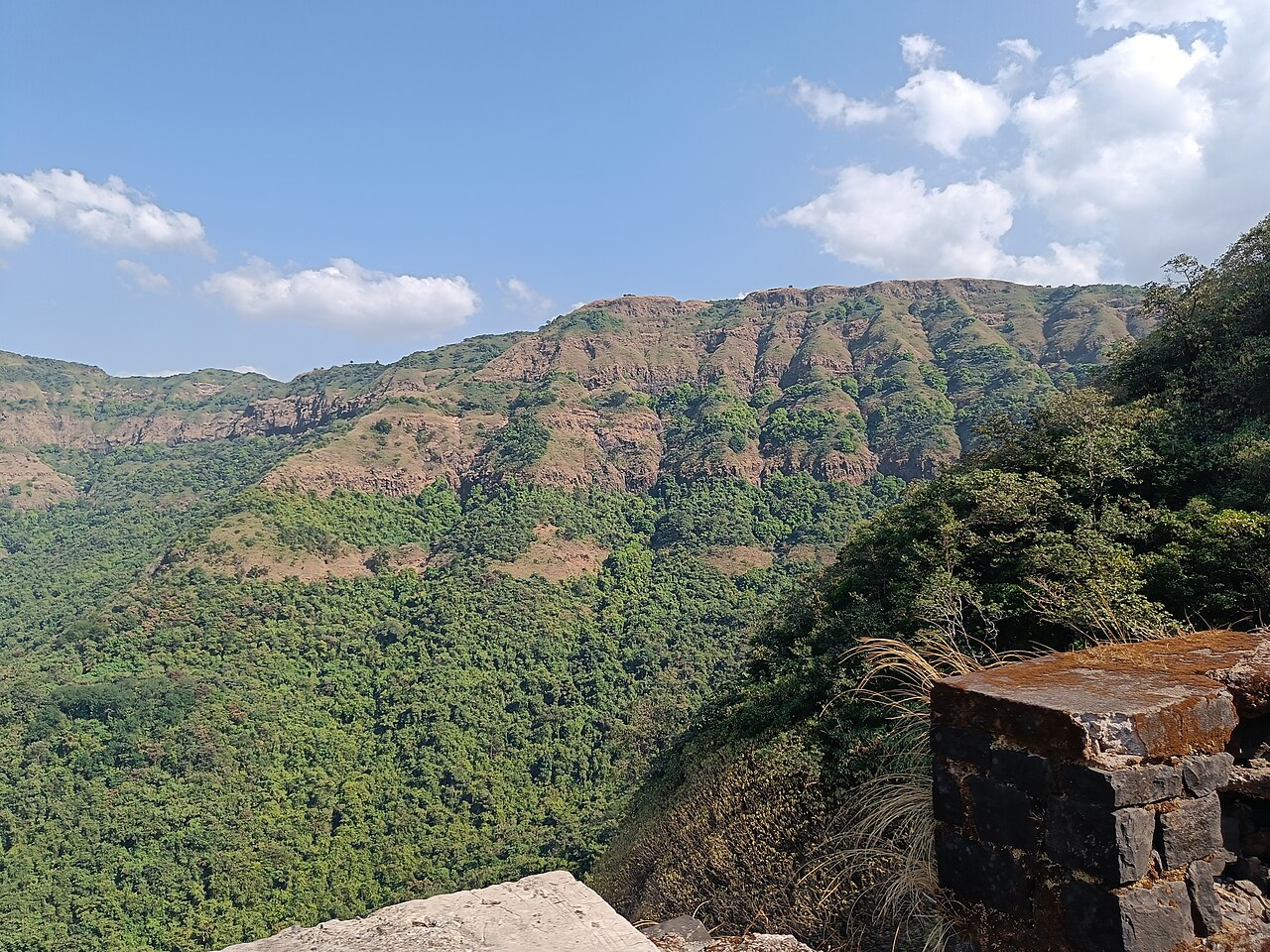
The Western Ghats run roughly 1,600 kilometres along the western edge of the Indian peninsula. The World Heritage property is a serial nomination of thirty-nine sites — national parks, wildlife sanctuaries and reserved forests — across six states.
History
The range is geologically older than the Himalaya and its forests have been continuously occupied and used for millennia. Modern protection began piecemeal through the twentieth century as individual sanctuaries. The serial property was inscribed in 2012 after a long and contested nomination process, with concerns raised locally about restrictions on land use.
Landscape and wildlife
The Ghats intercept the south-west monsoon and force it to rise, which is why the windward slopes are among the wettest places on earth and the leeward Deccan is dry. Habitats range from tropical evergreen and shola forest to montane grassland. Endemism is exceptionally high, particularly in amphibians, fish and flowering plants — a large share of the species found here occur nowhere else. Populations of Asian elephant, tiger, lion-tailed macaque and Nilgiri tahr are of global importance.
Significance
The Ghats are a primary control on the Indian monsoon, and therefore on the agriculture and water supply of a very large population. They are also one of the world's most significant concentrations of endemic species, which is why they are ranked among the top biodiversity hotspots.
UNESCO recognition
Inscribed in 2012 under criteria (ix) and (x) for ongoing ecological and biological processes and for their exceptional biodiversity and endemism.
More views
4 images